




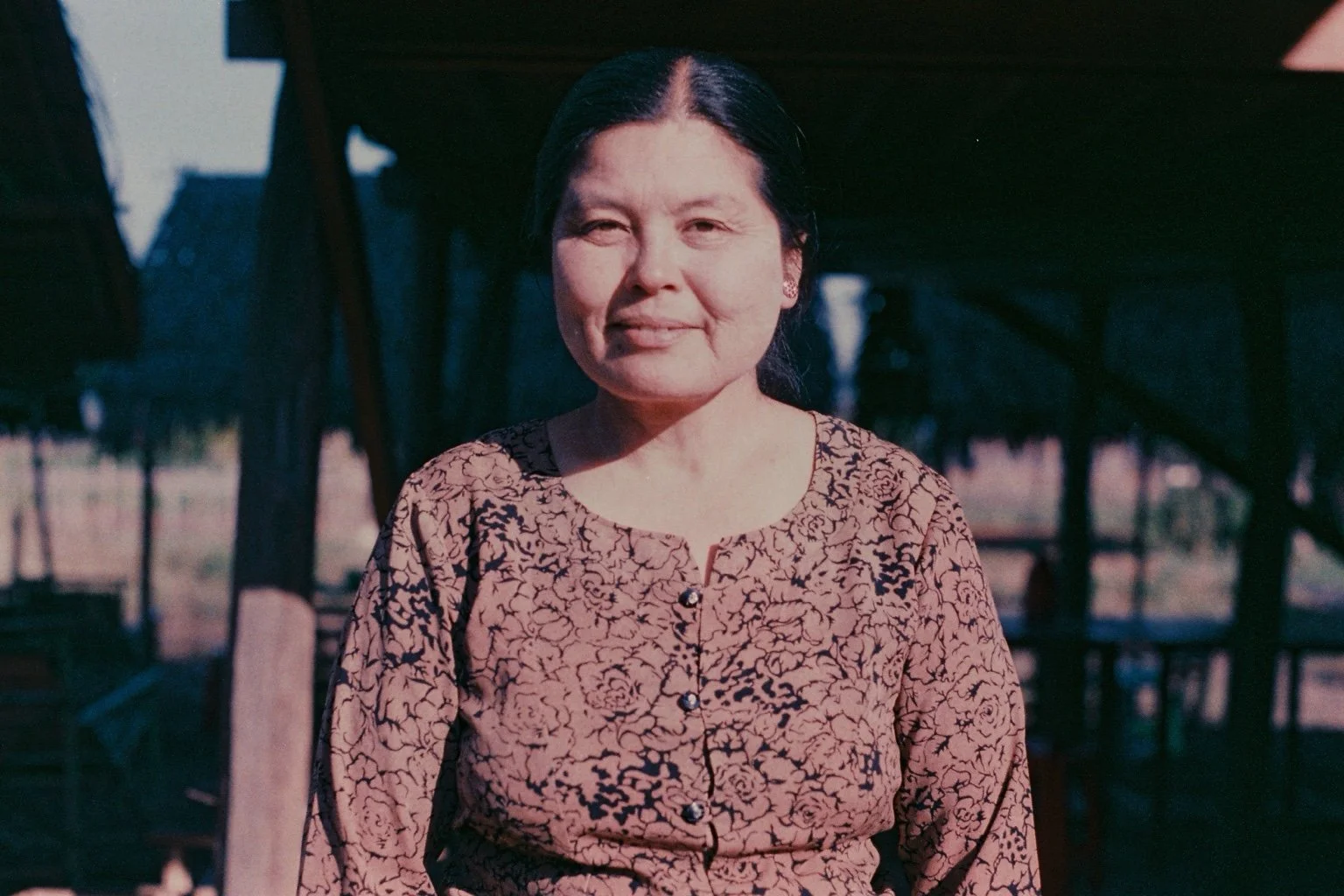
Puji Pujiono

Proclaiming the Jakarta Declaration

Proclaiming the Jakarta Declaration

Puji Pujiono reflects on the Jakarta Declaration on the Sovereignty of Humanitarian CSOs and what locally led humanitarian action means amid declining international aid. Drawing on Indonesia’s experience, he argues that responsibility must be matched by authority and resources, with affected communities and local actors defining priorities. The article considers domestic and regional financing, practical South-South cooperation, and principled relationships with government that preserve civil society autonomy. It also calls for honest assessment of local coordination and a changed role for international partners, grounded in shared authority, resources, and risks and respect for locally defined priorities.

Local CSOs’ terrifying triumph: the birth of a locally-led humanitarian future in Indonesia

Local CSOs’ terrifying triumph: the birth of a locally-led humanitarian future in Indonesia

“The baby is in our hands — and I am terrified.

The fight to gain power was one challenge. The responsibility that follows is far greater. Leadership has shifted to local CSOs, but no resources came with it. No plan for capacity strengthening. No donor message saying, ‘This is the system you must support.’ If we create babies malnourished from the start, we risk watching them die before they grow — and the true victims will be the communities we serve.”

— Puji Pujiono, Senior Adviser, Pujiono Centre

The Awakening of Global South Leadership in a Drastically Changing Humanitarian Context

 The Awakening of Global South Leadership  in a Drastically Changing Humanitarian Context

Amid systemic disruption and the unraveling of traditional aid paradigms, a transformative form of leadership is emerging from the Global South. Rooted in Indigenous knowledge, communal values, and contextual intelligence, this leadership model challenges entrenched power asymmetries and redefines humanitarian effectiveness. It does not seek to replicate Northern models, but instead cultivates authentic, regionally grounded responses shaped by collective wisdom and mutual accountability. This new leadership embraces complexity, fosters North-South symbiosis, and prepares for an increasingly multipolar humanitarian landscape. In doing so, it offers not only adaptation—but the foundation for a more just, inclusive, and sustainable future for humanitarian action.